STUDIO
The makers, spaces, and objects that reward a closer look.
A section dedicated to creative authorship. Featuring design features, visionary profiles, and a gallery of Sarasota through our lens.
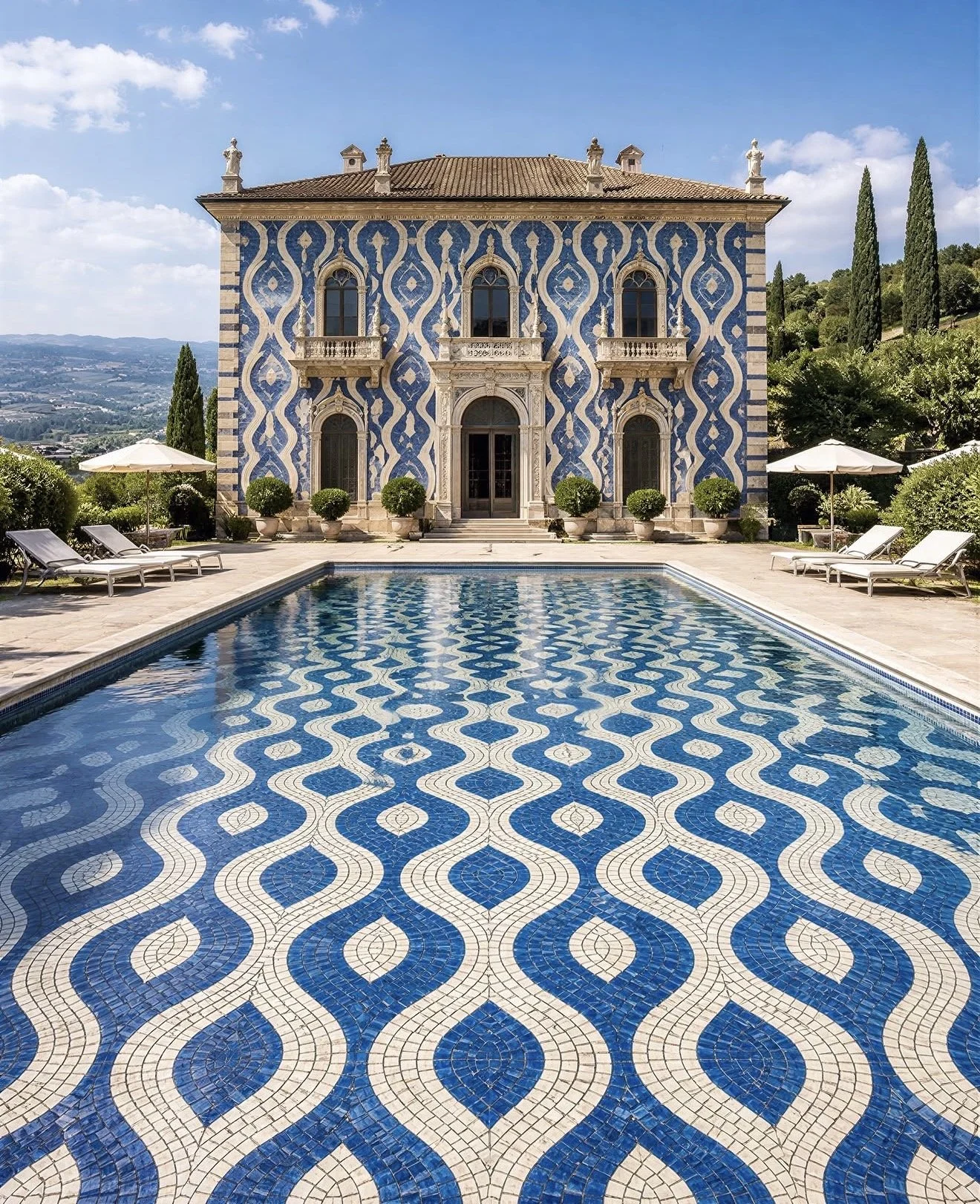
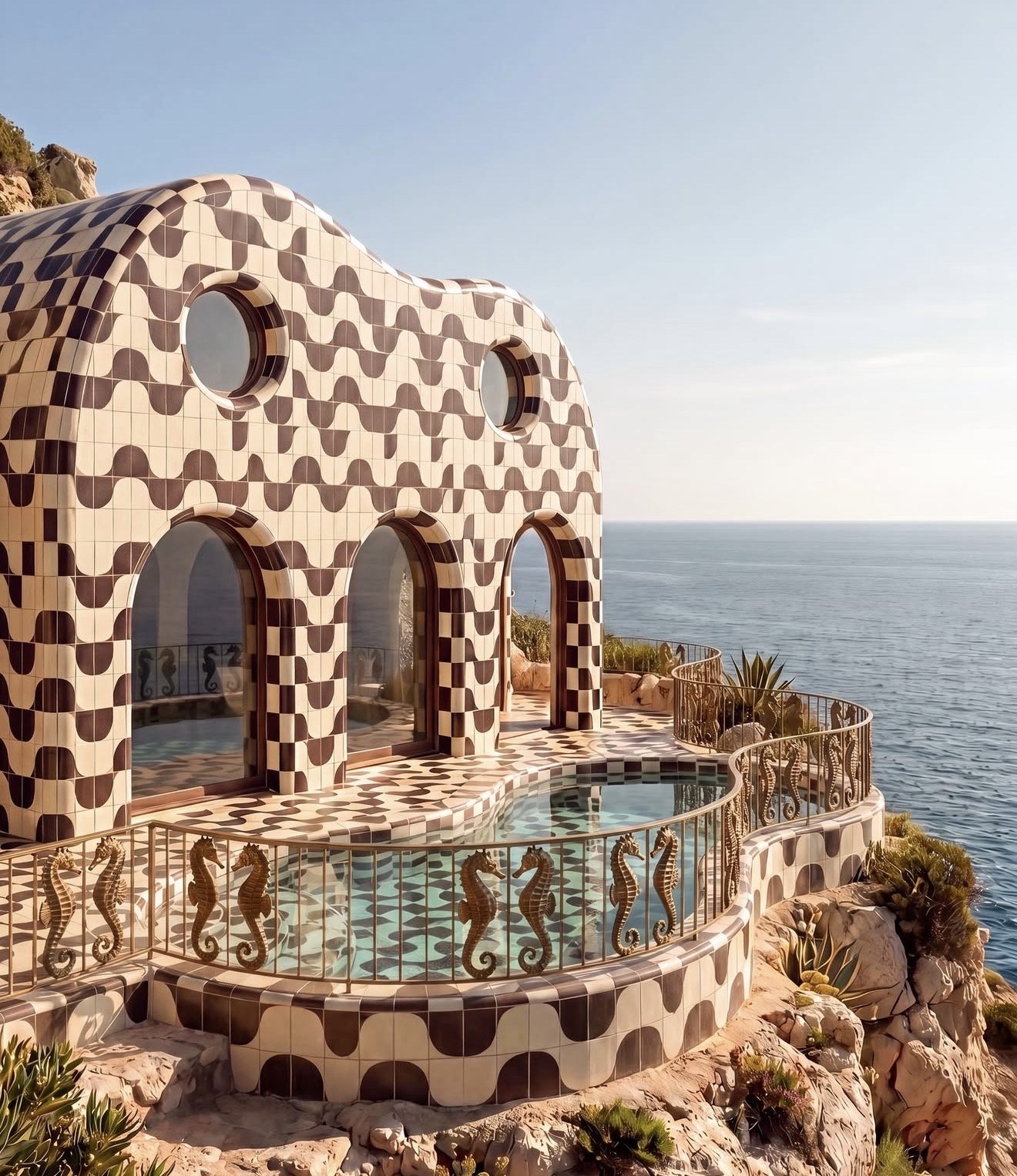
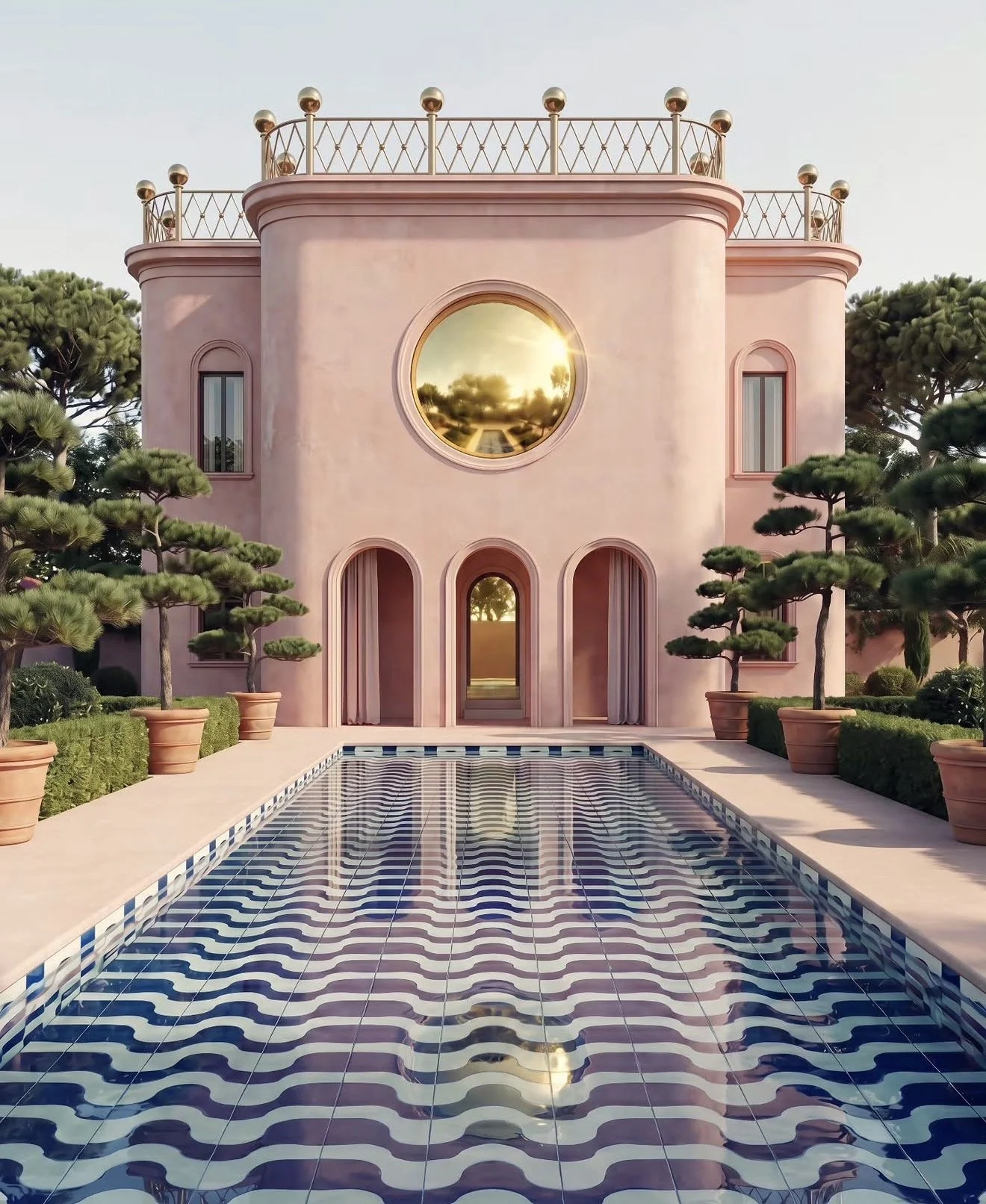
The painted pools of Diango Hernández TORRES, and the case for water you enter only in the mind.
Diango Hernández Torres does not build pools. He paints them.
The distinction is the whole work. A built pool asks for your body. A painted one asks for your attention, which is the harder thing to give.
He was born in 1970 in Sancti Spíritus, Cuba. He trained as an industrial designer, co-founded the artist collective Ordo Amoris Cabinet during the lean years after the Soviet collapse, and left for Europe in the early 2000s. He now works between Düsseldorf and Havana. His work is held by the Museum of Modern Art in New York and the Pérez Art Museum Miami.
His childhood unfolded across two worlds, one family in the United States and one on the island. That early division of the self runs through everything he has made since.
The Wave That Needs No Sea
He calls his language Olaísmo, after the Spanish word for wave.
The wave is both his method and his subject. It stands for everything that moves and refuses to settle: memory, migration, ideology, and the self in exile. He arrived at it slowly. For years, he circled the image without naming it until he understood that it held the shape of his own life. Movement, dislocation, and return.
This is the first thing to understand about his pools. They are not about water in the ordinary sense. They are about water as a carrier of time.
The Pool That Holds No One
The Piscinas Olaistas, his Olaista Pools, are oil on canvas. The series began in 2015 and continues to this day.
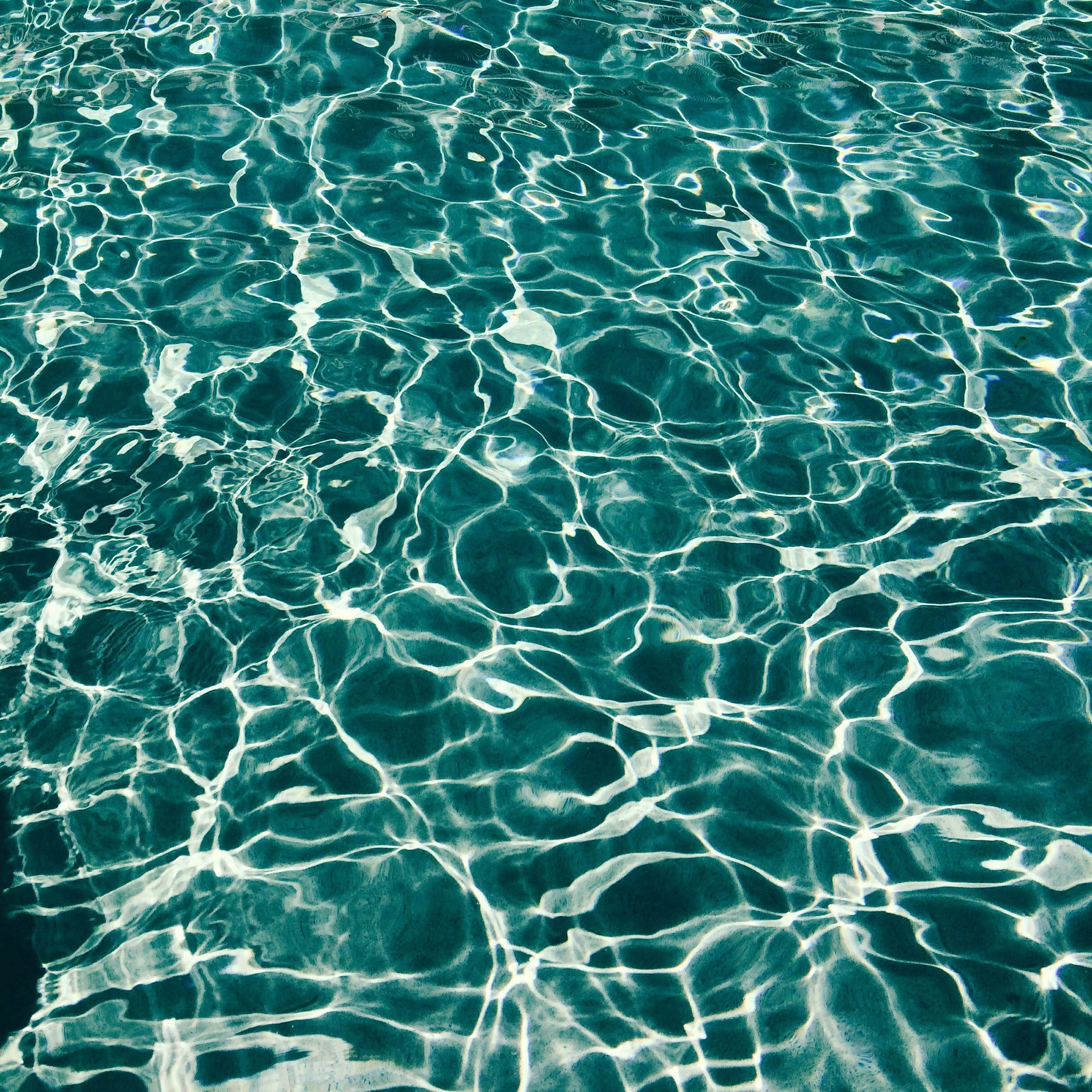
They are not functional. No one swims in them. They are, in his own words, architectures of memory, fragile and permanent at once. A pool with no bather is a quietly radical proposition. It removes the body, leaving only the surface, the light, and the interval.
What remains is escape of a specific kind. Not the escape of a vacation, which still demands logistics and money and a version of yourself on display, but the escape of looking. You stand before one of these paintings, and the room goes still. The water holds light the way water always has, and the mind is permitted, for a moment, to go somewhere it cannot be reached.
His surfaces refuse to resolve. They ripple, displace, and refract. The image arrives already filtered through memory, which is to say it arrives slightly altered, the way remembered places always are. This is why the work is difficult to walk past. It will not sit still for you.
The Luxury of Looking
Fatigue is setting in around leisure as performance.
After a decade of homes built to be photographed and gardens styled for the aerial shot, the more refined instinct is to withdraw from the spectacle entirely. To want less to show and more to keep. Hernández has worked in that register for years, long before it read as a correction.
His pools make an argument about value. The thing worth having is not the asset but the attention. Not the pool you install, but the one you contemplate. There is nothing to purchase here in the usual sense, no upgrade, no finish, and no square footage. There is only the discipline of looking closely, which is the rarest luxury left.
The shape of leisure is changing, and Hernández saw the change before the rest of us.
The deepest water is the kind you enter with your eyes alone.
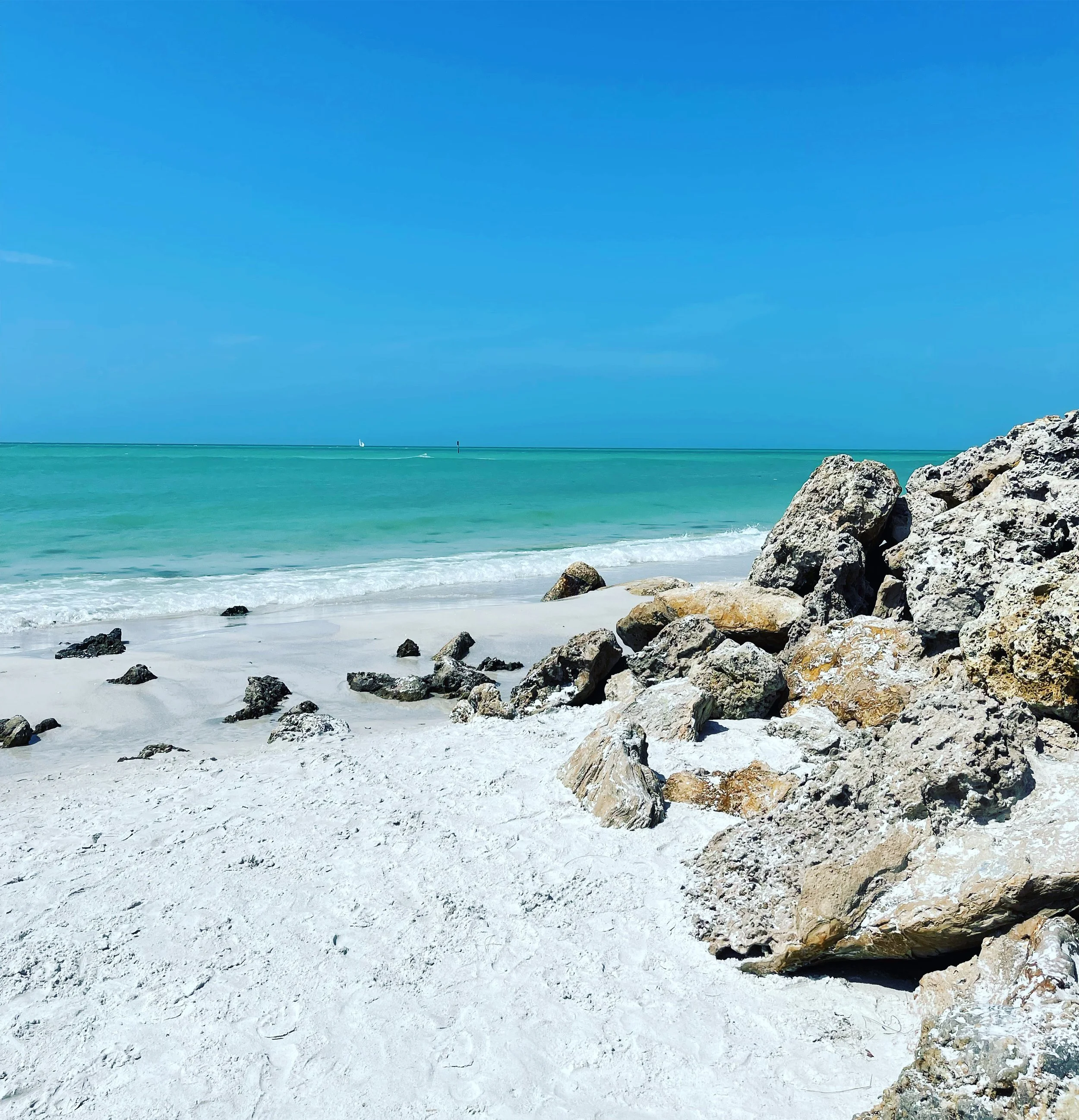
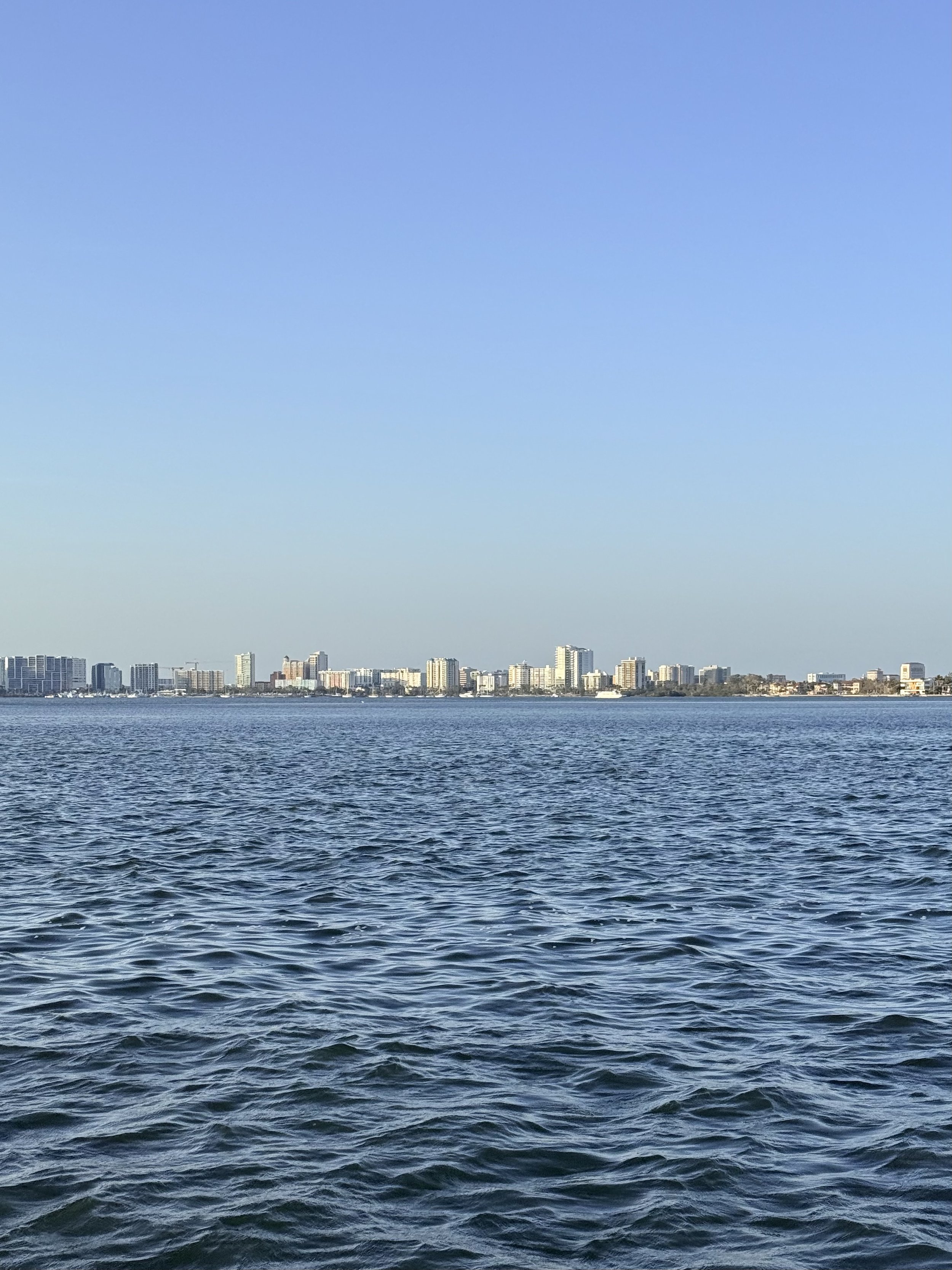
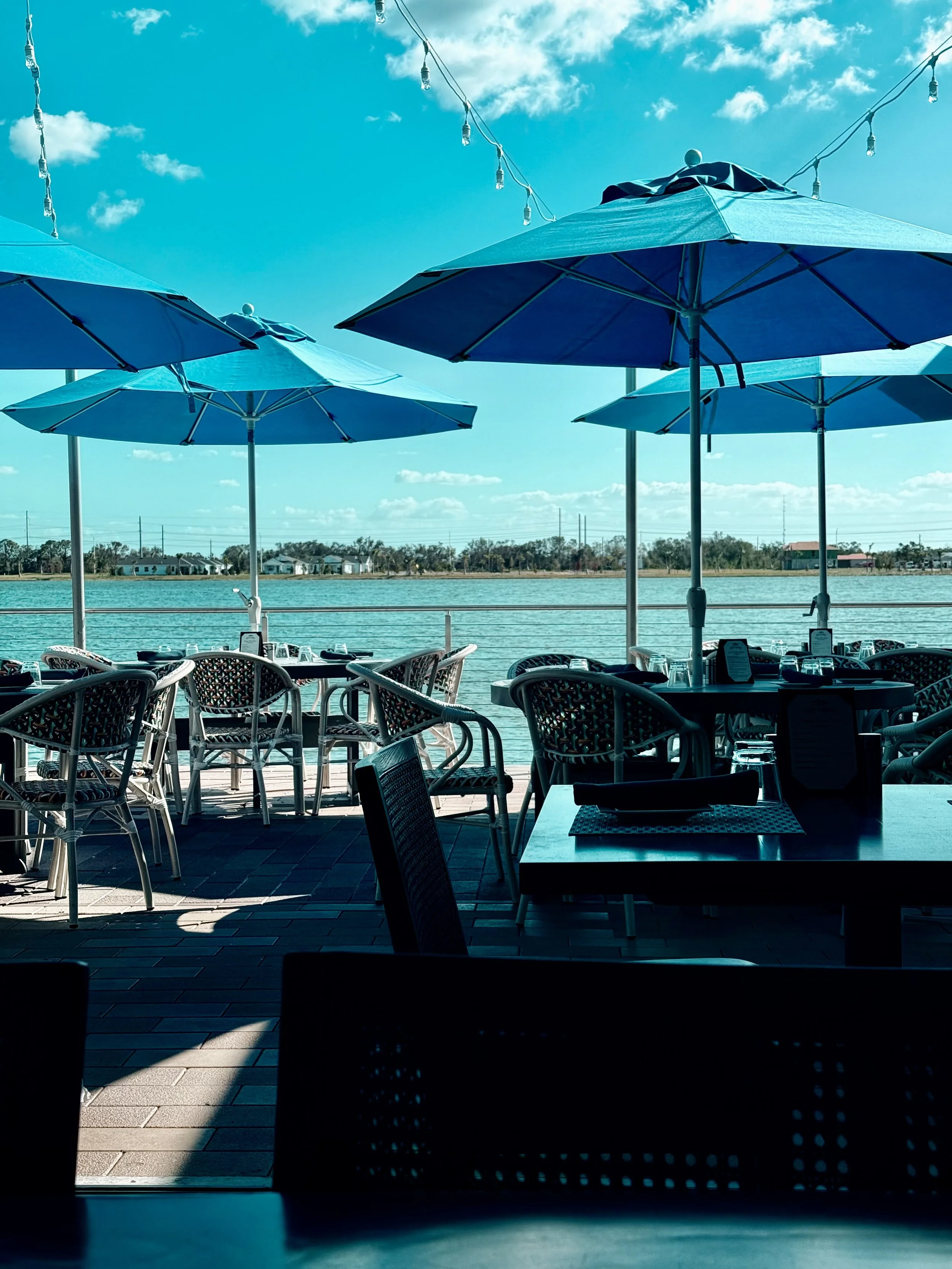
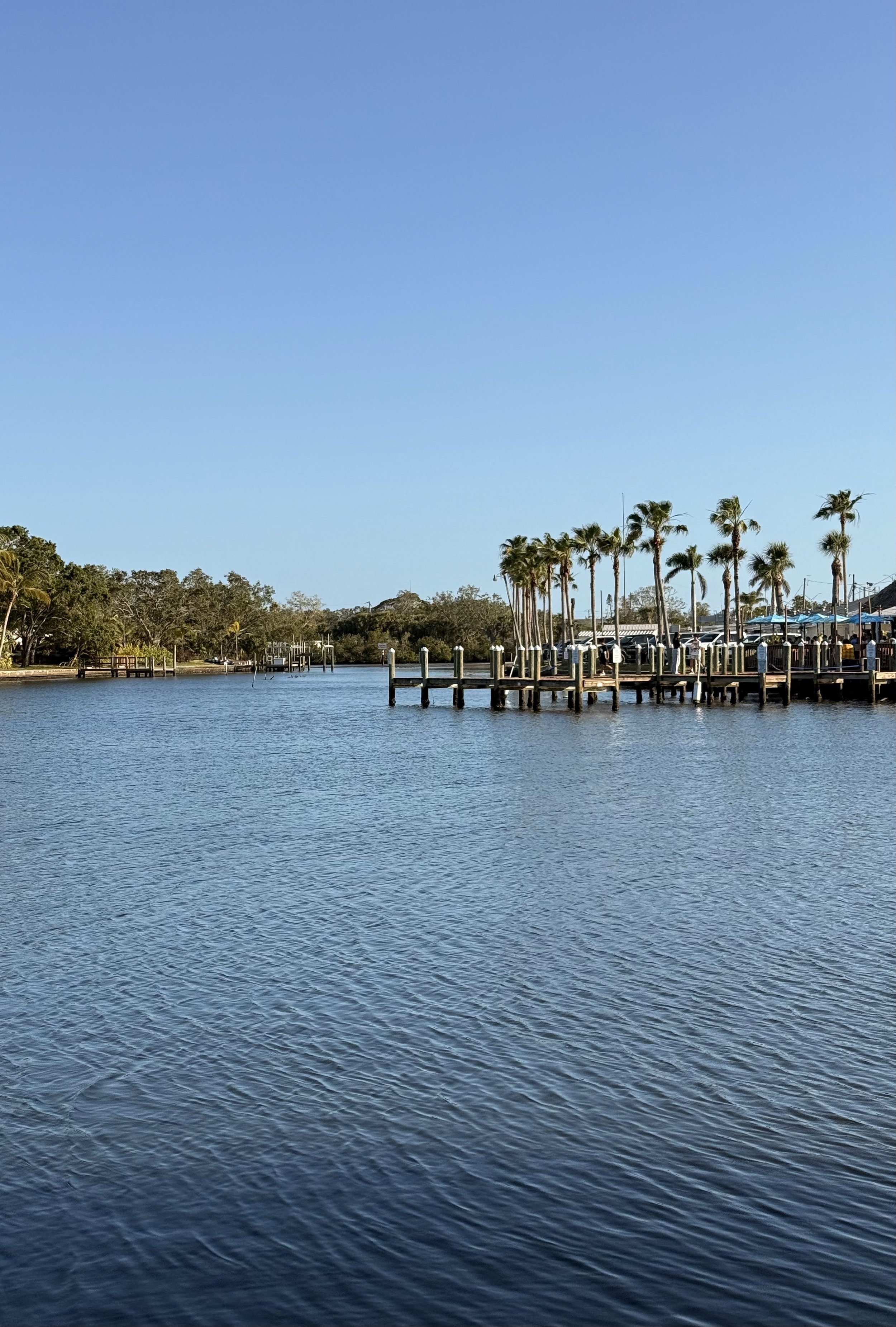
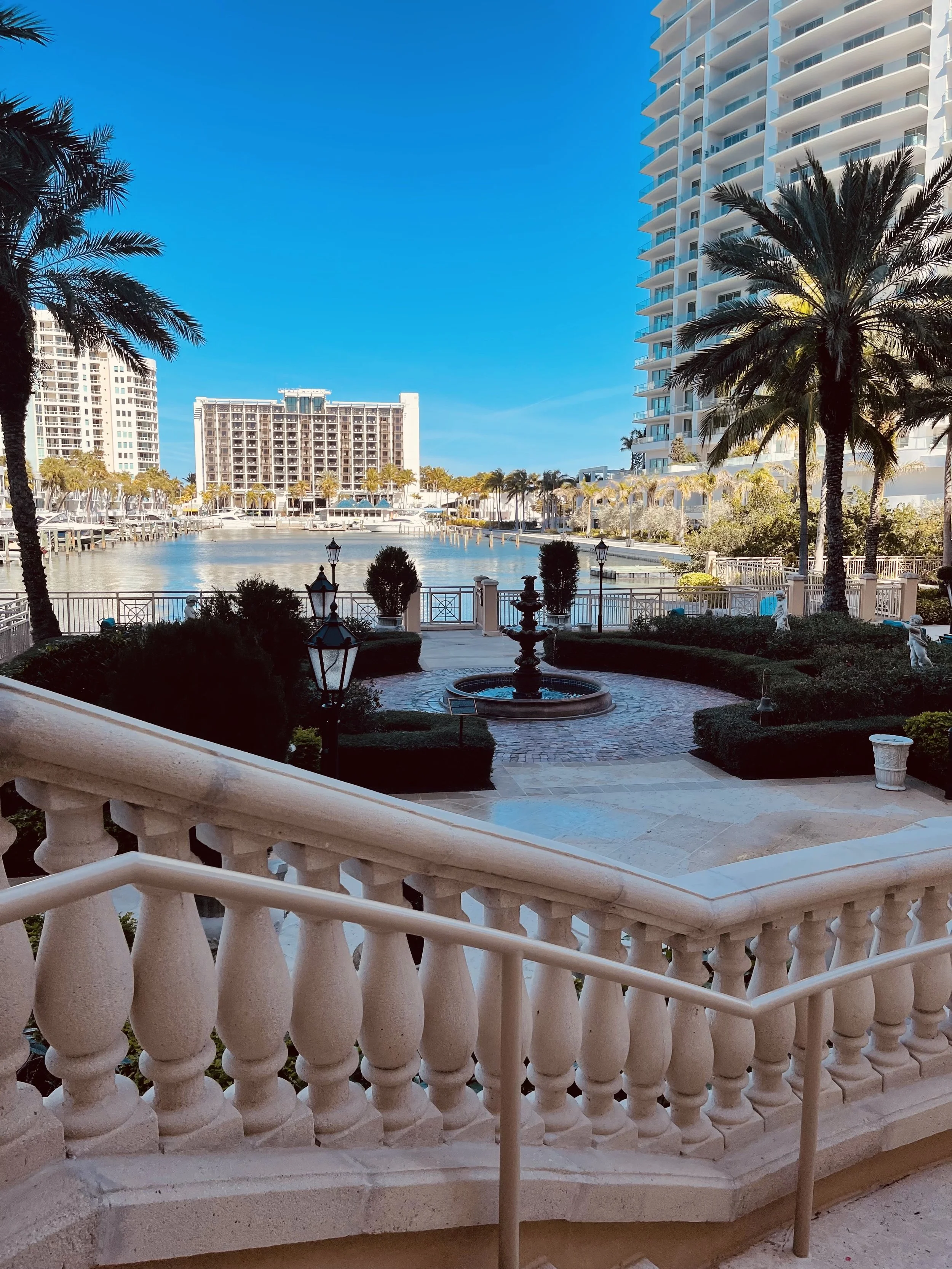
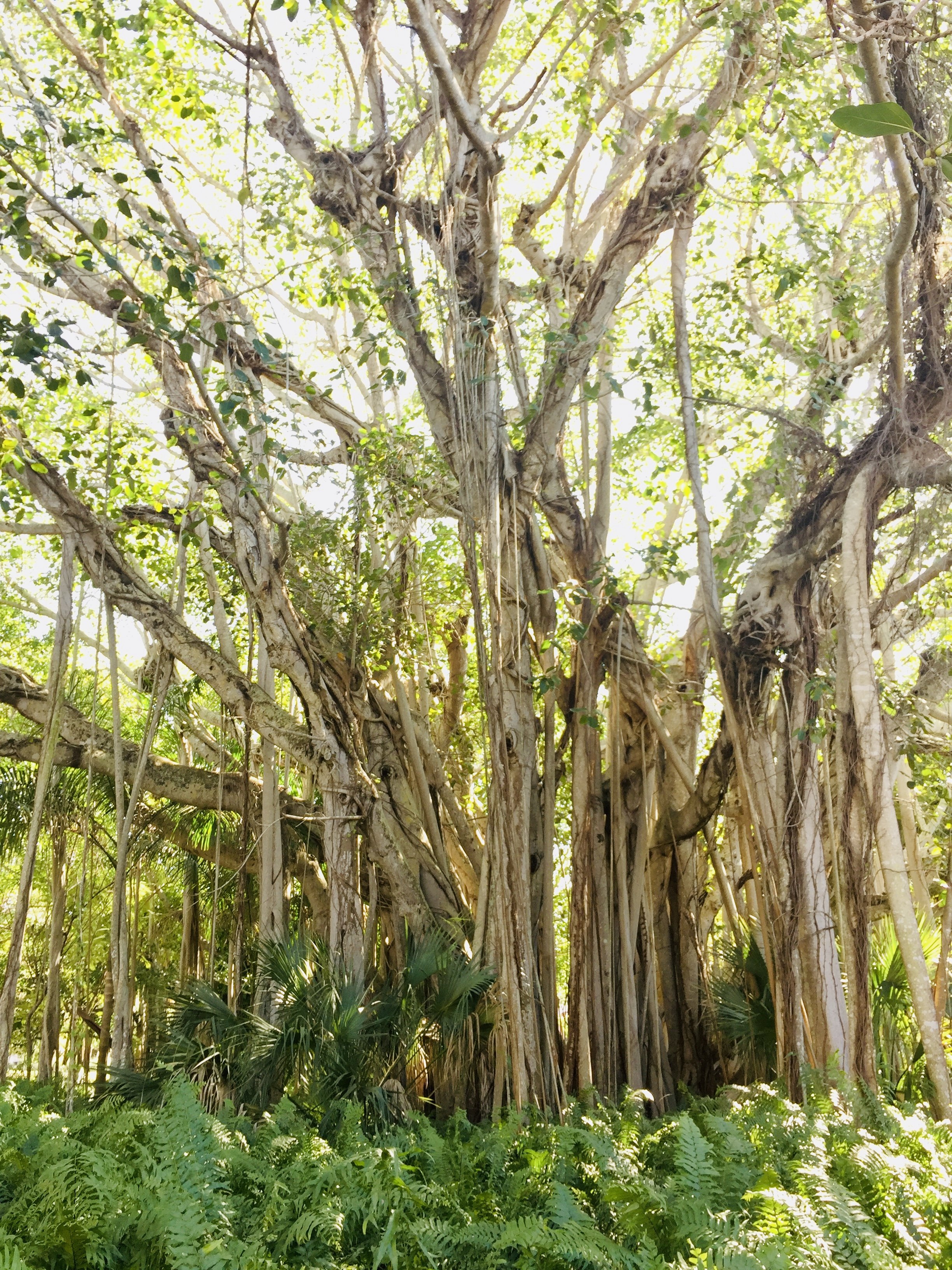
SARASOTA,
THROUGH OUR LENS

Featured VISIONARY
We believe creativity deserves a spotlight. Here, we celebrate women turning passion into art, business, and beauty.
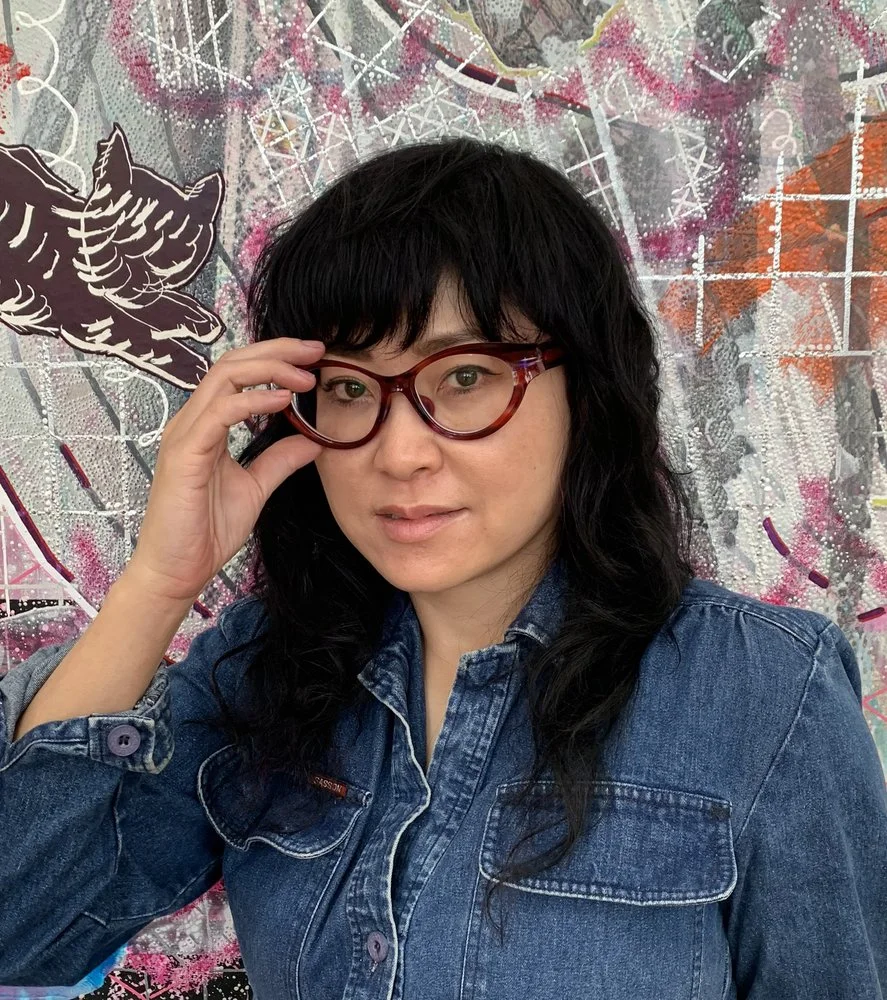
The Floating World: Why Chie Fueki Matters in Midlife
We often talk about life as if it unfolds in chapters. One version of ourselves ending so another can begin.
Chie Fueki's work suggests something different.
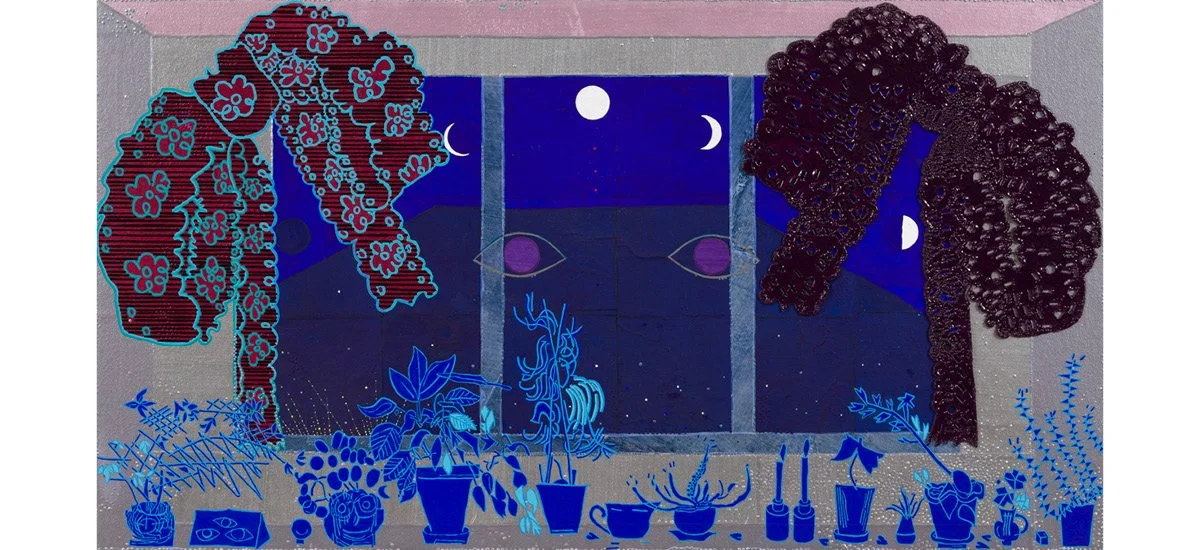
Drawing from her Japanese and Brazilian heritage, Fueki creates richly layered paintings that blend memory, place, and identity into a single visual language. Figures emerge and disappear. Boundaries soften. The past and present exist together rather than apart.
What makes her work resonate in midlife is its refusal to choose one version of the self over another.
By this stage of life, most women have lived many lives. We are daughters and mothers, professionals and partners, caretakers and independent thinkers. We carry former homes, former ambitions, former selves. None disappear entirely.
Fueki's paintings feel like a reminder that maturity is not about becoming someone new. It is about learning how all the pieces belong together.
There is a freedom in that idea. Integration, as opposed to reinvention.
Chie Fueki: Painting the Floating World opens October 18, 2026, at Sarasota Art Museum and runs through April 4, 2027. The exhibition spans twenty-five years of the artist's work and explores the layered nature of memory, identity, and everyday life.